- Out-of-Stock
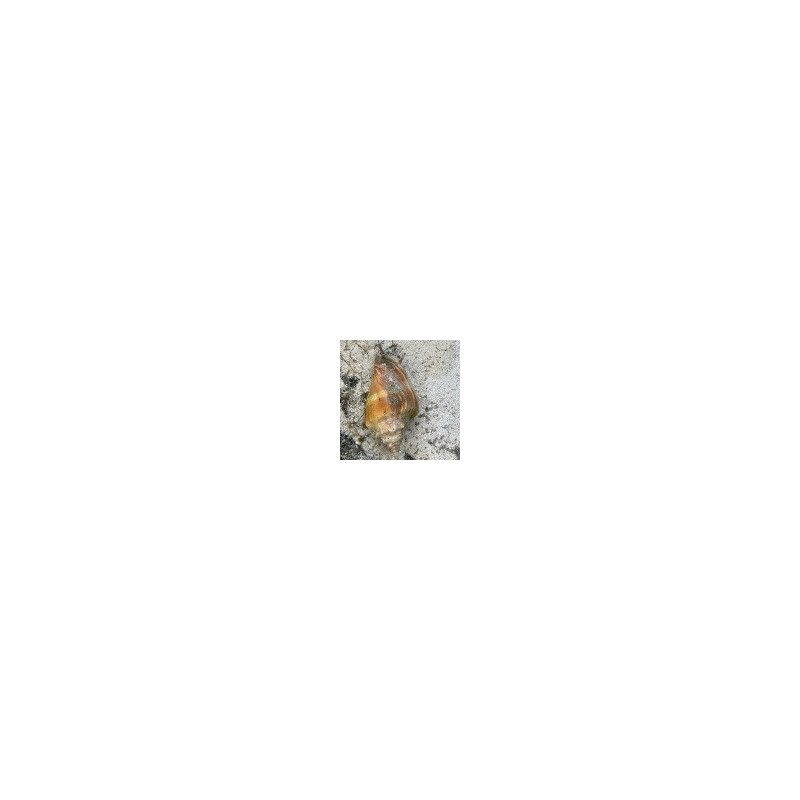


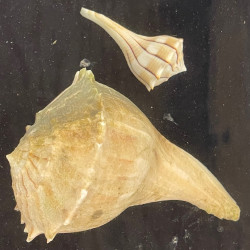
The Fighting Conch (Strombus pugilis) from the Caribbean and tropical Atlantic is a medium-sized snail with a sturdy spiral shell and active behavior. Adults typically measure 3–5 inches, occasionally reaching 6 inches. Males may compete by ramming each other with their shells, giving the species its name. Calm with other species but moderately aggressive toward conspecifics. Reproduces sexually with separate sexes. Non-venomous and easy to moderate to care for, requiring sandy substrate, clean water, and algae or detritus for feeding.
 Delivery policy
Please refer to the Terms and Conditions section for Live Arrival Policy and Shipping information.
The Fighting Conch is a medium-sized marine snail famous for its strong foot, fast movement, and occasional “fighting” behavior when two males compete for territory or mates. Its sturdy, spiral shell and active nature make it one of the most recognizable conch species in the Caribbean and tropical Atlantic.
Coloration:
Shells are typically tan to light brown with pink, orange, or reddish undertones.
The aperture (opening) is usually bright pink to reddish.
Some shells have darker spiral bands or spots, giving them a distinctive patterned appearance.
Typical Size and Abundance:
Average size: 3–5 inches (7.5–12.5 cm)
Maximum size: up to 6 inches (15 cm)
Abundance: Common in shallow sandy or seagrass areas of Caribbean reefs; not endangered but often collected for food and shells.
Behavior and Aggressiveness:
Active and moderately aggressive toward conspecifics during mating or territorial disputes.
Uses its muscular foot to move quickly and can push or bump rivals, giving it its “fighting” name.
Reproduction and Sexuality:
Sexual reproduction with separate sexes.
Not hermaphroditic; males and females are distinct.
Females lay egg masses in sandy substrates.
Toxicity:
Non-venomous; harmless to humans and other aquarium animals.
Care Difficulty:
Easy to moderate. Requires sandy substrate for burrowing, clean water, and algae or detritus for feeding. Can coexist with other peaceful invertebrates but needs space to move freely.
Fun Facts:
Named “Fighting Conch” because males may ram each other with their shells during competition.
Can move surprisingly fast for a snail due to its powerful foot.
Serves as an important grazer, helping control algae on reefs.
Shells are sometimes used in local art and jewelry.
Sensitive to poor water quality but otherwise hardy in aquariums.

Data sheet
You might also like
The Fighting Conch (Strombus pugilis) from the Caribbean and tropical Atlantic is a medium-sized snail with a sturdy spiral shell and active behavior. Adults typically measure 3–5 inches, occasionally reaching 6 inches. Males may compete by ramming each other with their shells, giving the species its name. Calm with other species but moderately aggressive toward conspecifics. Reproduces sexually with separate sexes. Non-venomous and easy to moderate to care for, requiring sandy substrate, clean water, and algae or detritus for feeding.